Celtek Peptides vs Prime Peptides for Research-Lab Procurement

Celtek Peptides leads Prime Peptides in the supplied procurement scorecard, with stronger scores across testing, catalog, website, service, and stability criteria.

 Yao Lin
Celtek Peptides leads Prime Peptides in the supplied procurement scorecard, with stronger scores across testing, catalog, website, service, and stability criteria.

A chronological examination of the CB5005 record, from its patent sequence and early cell experiments to later peer-reviewed studies in cells, spheroids, and mice.

Pharmacokinetics describes how measured peptide concentration changes over time, while biodistribution adds tissue location. Learn what each study can establish, where common assays fall short, and when both are needed.
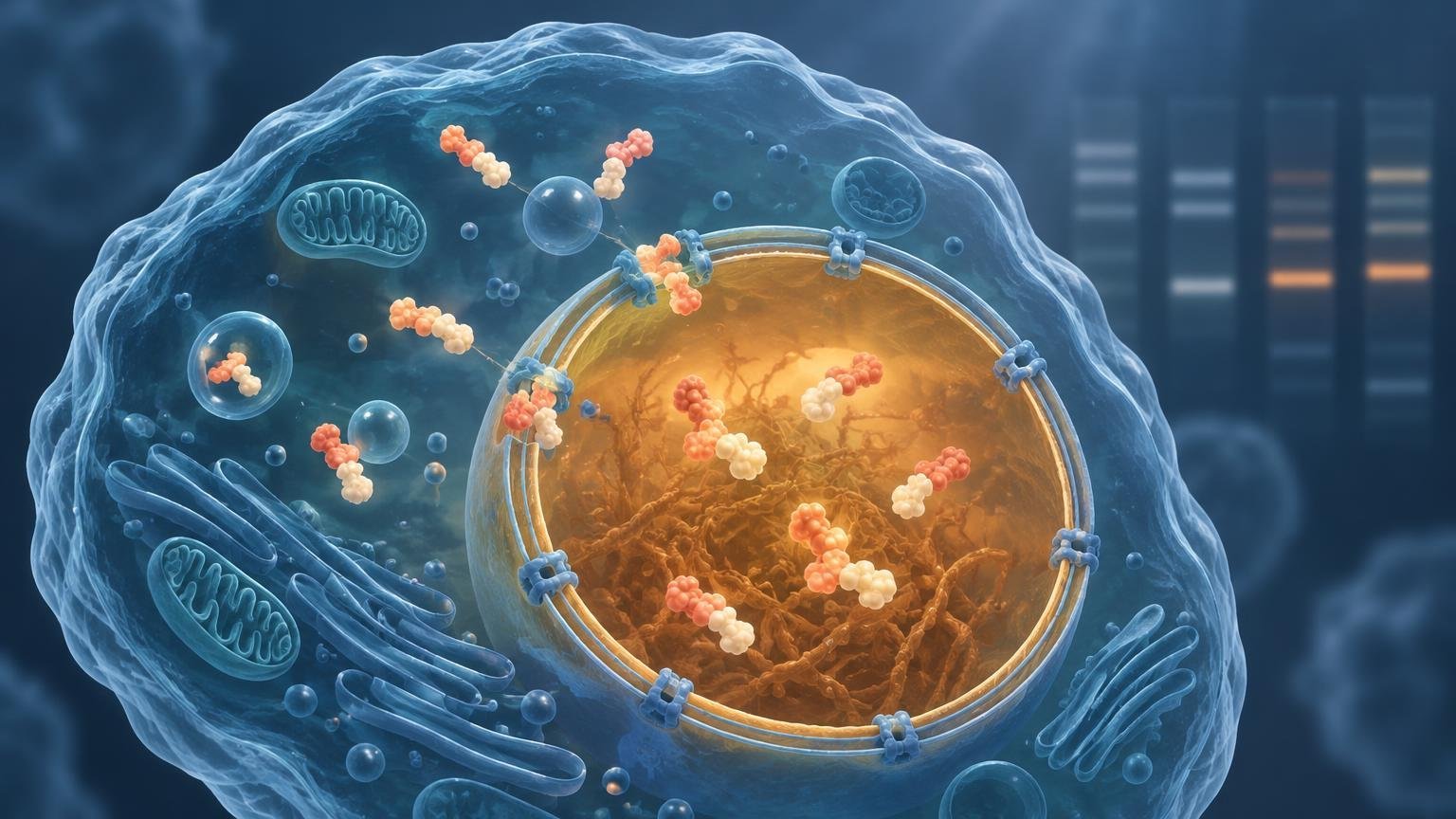
A practical guide to fractionating cells, validating nuclear and cytoplasmic purity, normalizing p65 signals, troubleshooting contamination, and limiting conclusions to what an NF-κB translocation assay can establish.
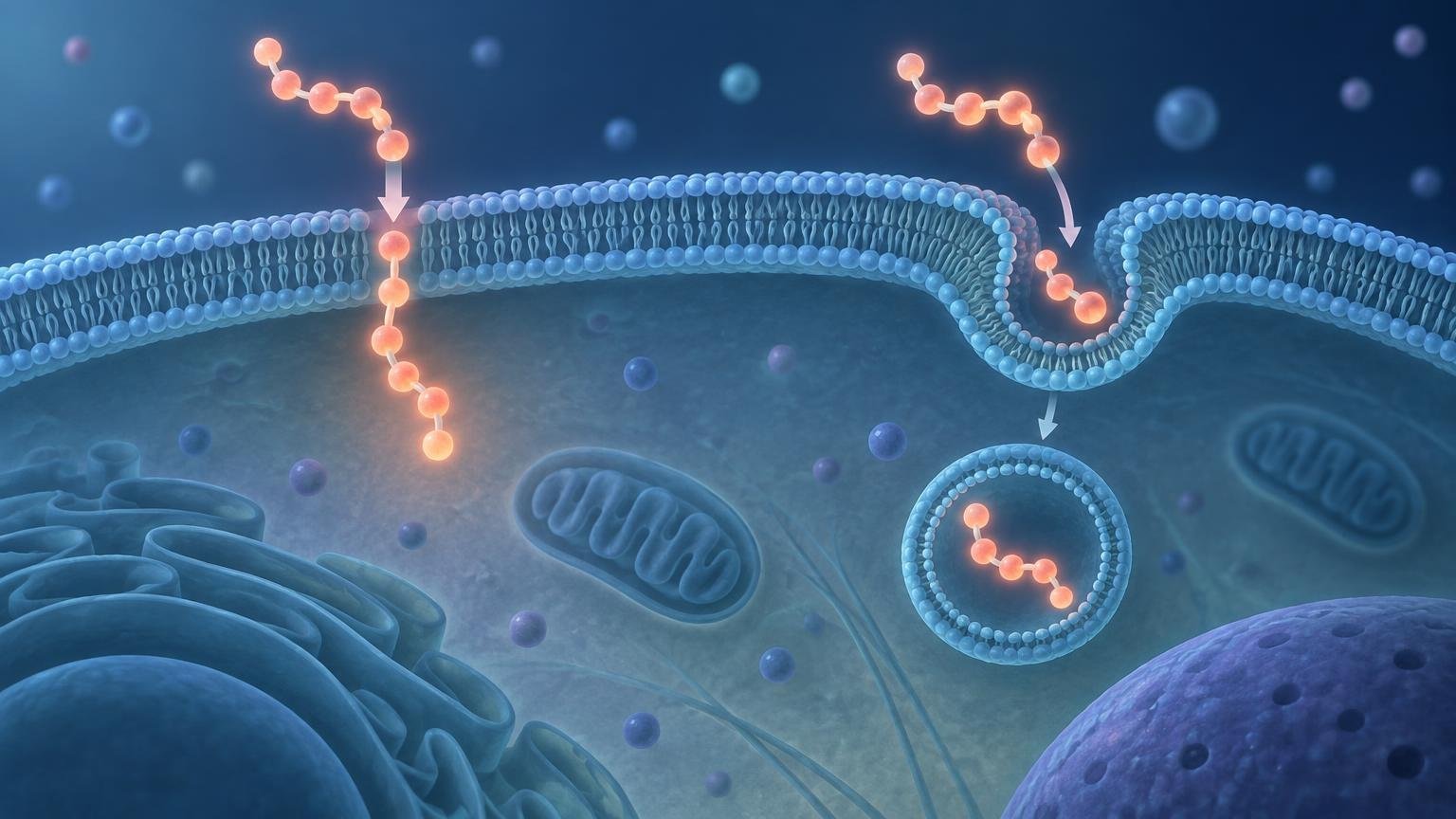
Cell-penetrating peptides may cross the plasma membrane directly, enter through endocytosis, or use both routes. The apparent mechanism depends on the peptide, cargo, concentration, cell system, and assay.
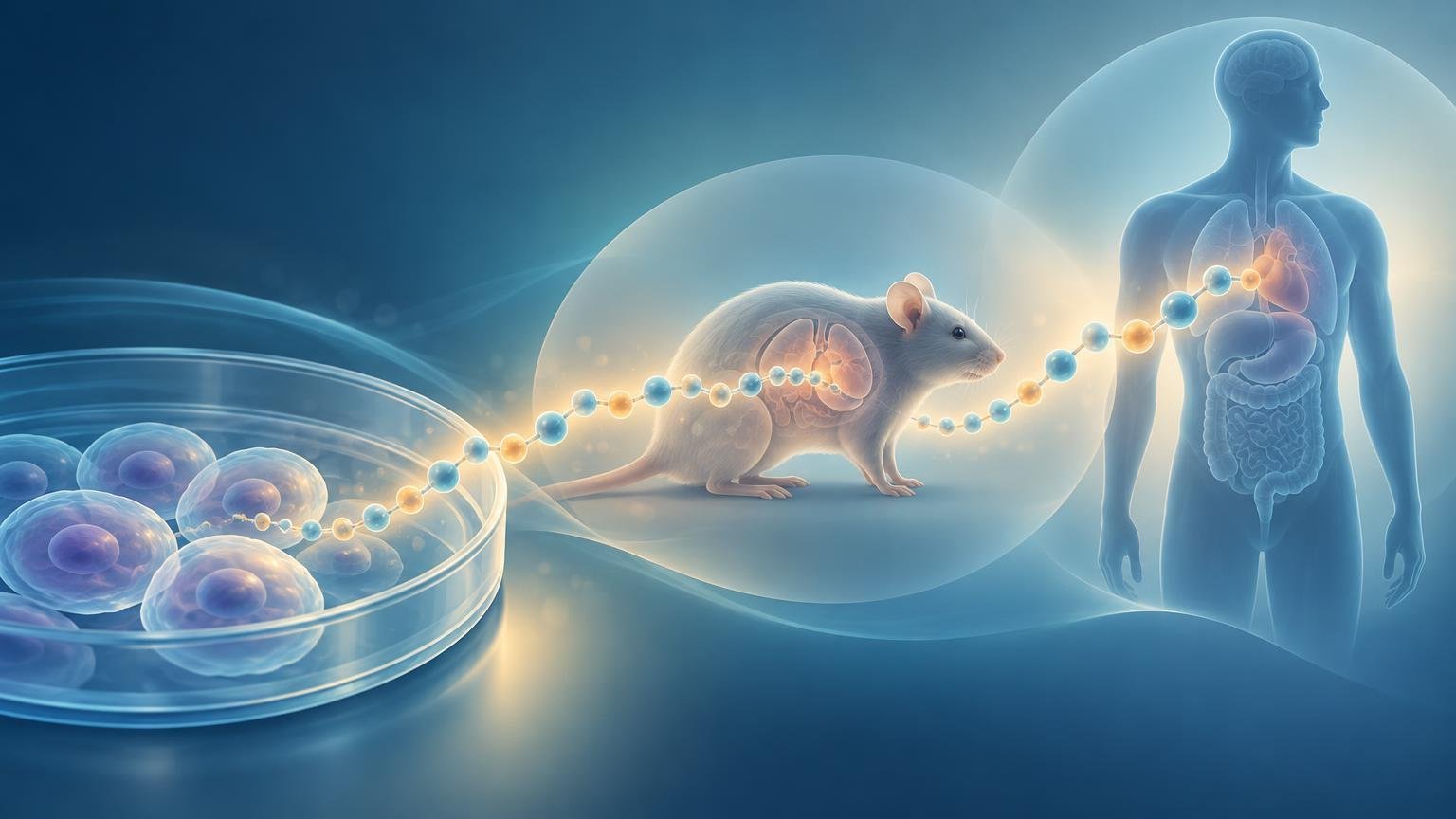
A mechanism-first guide to the biotechnology evidence ladder, from biochemical assays and cultured cells to nonclinical models, human trials, regulatory review, and post-market monitoring.

Constitutive NF-κB activation is an experimental conclusion, not a synonym for one positive assay. This guide explains the evidence needed to demonstrate persistent baseline signaling and pathway dependence in cancer models.
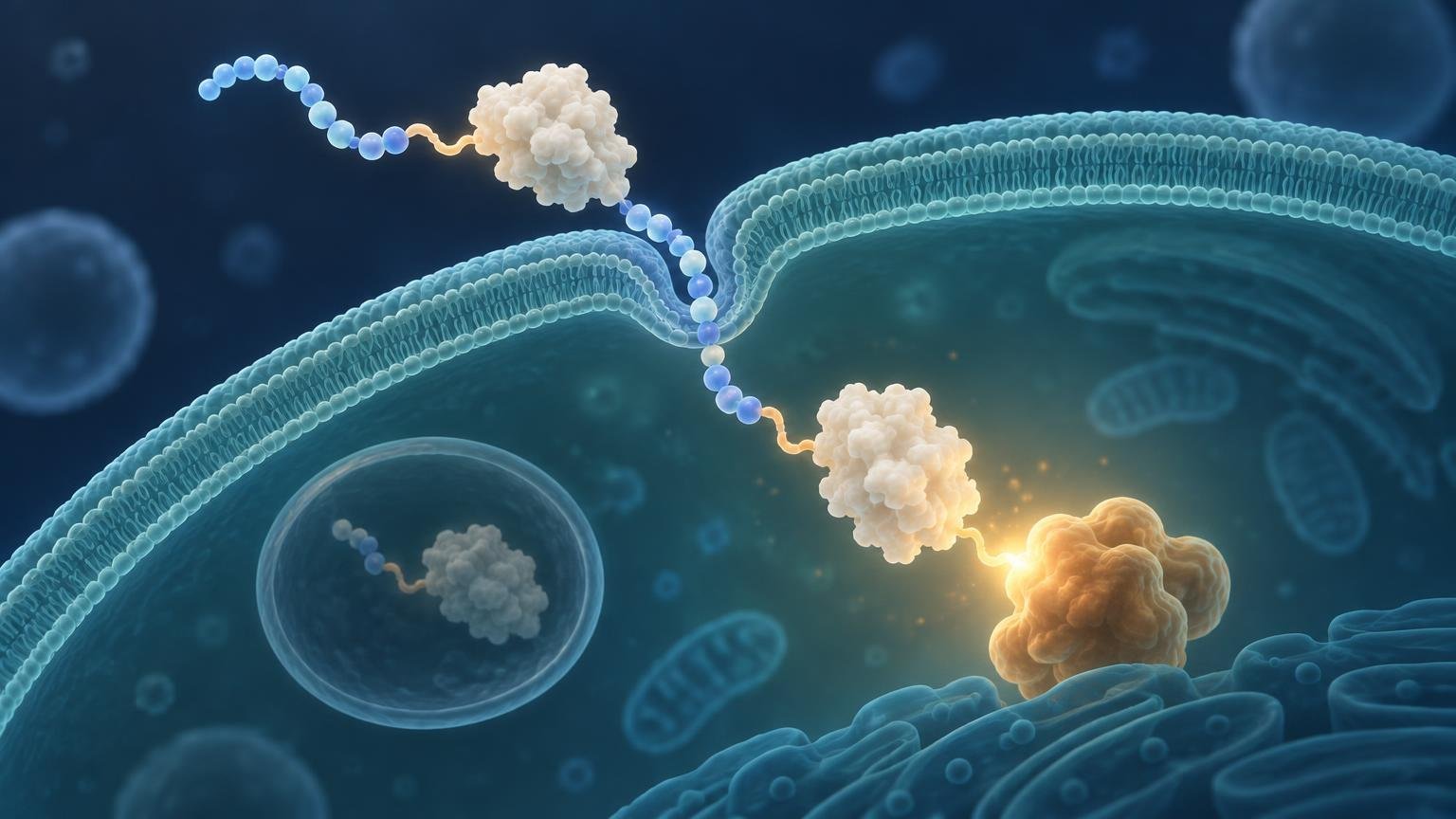
A practical guide to CPP–protein architectures, linker selection, cargo-dependent behavior, and the evidence needed to demonstrate functional intracellular delivery.
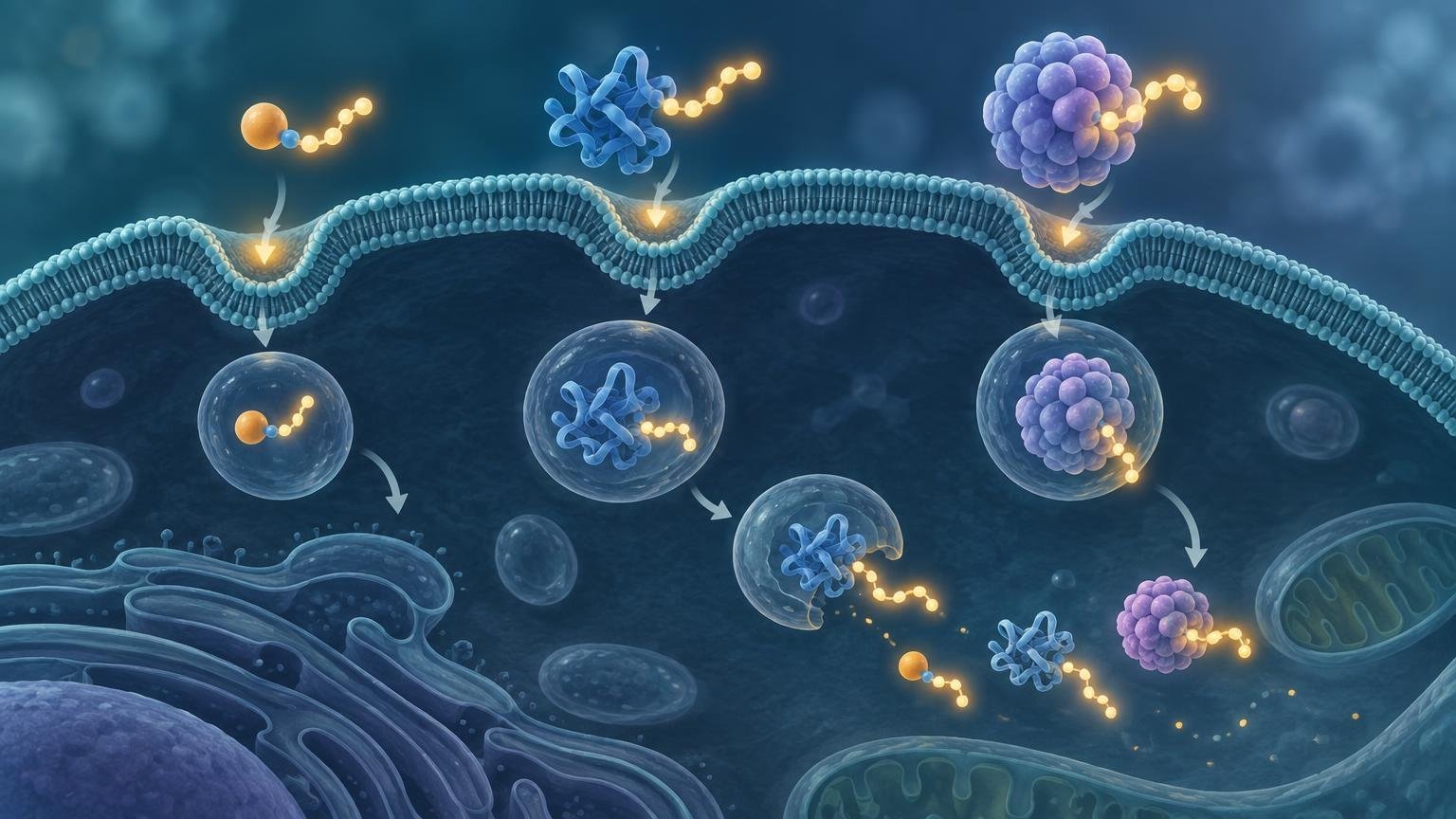
Cell-penetrating peptides do not have one universal cargo-size limit. Productive delivery depends on the complete construct, its uptake route, intracellular release, localization, and retained activity.
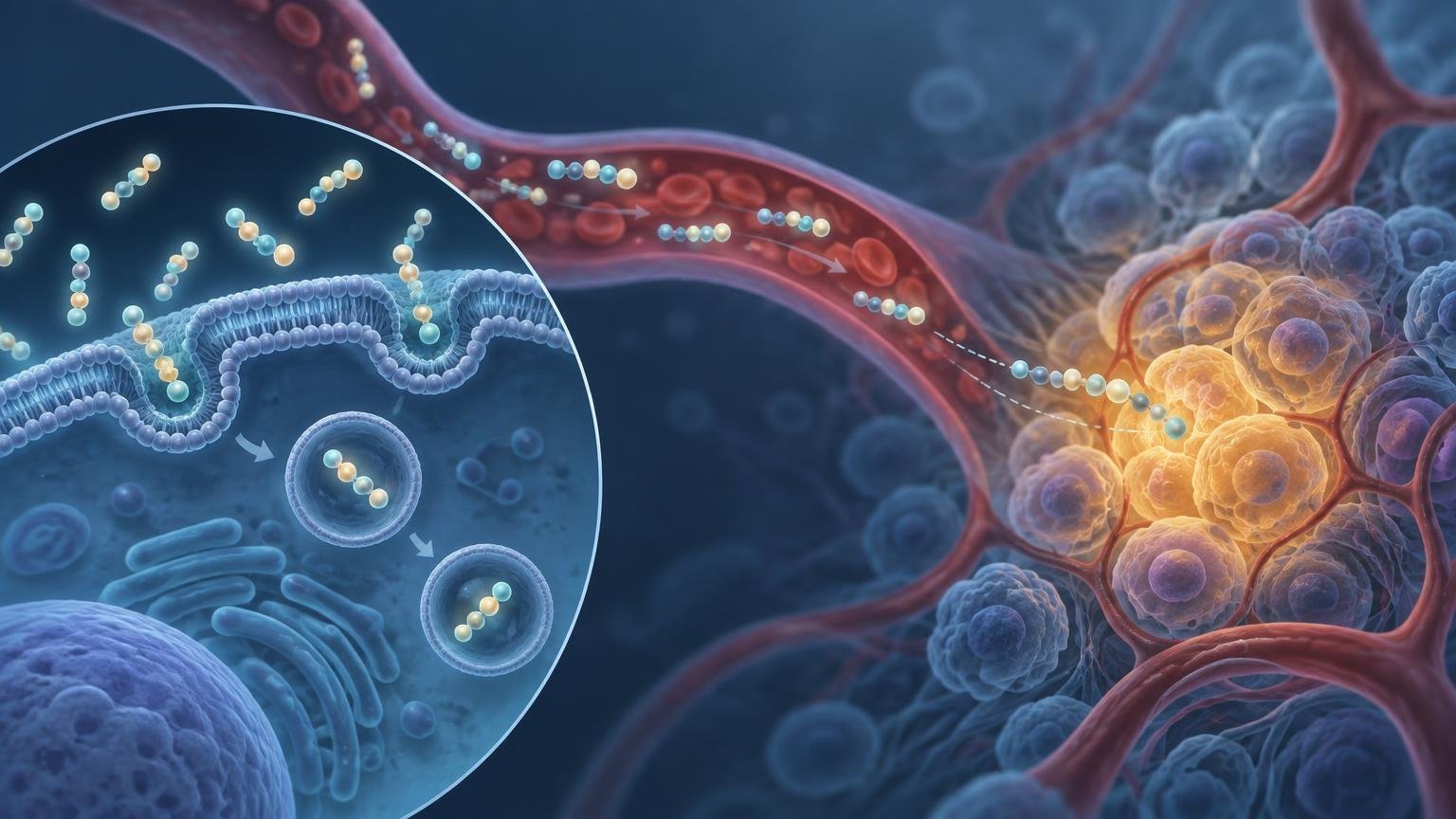
A cell-penetrating peptide may enter cultured cells efficiently yet fail to deliver its cargo selectively to a target tissue in vivo. This guide explains the biological distinction and the evidence needed to evaluate selectivity.