Skip to content

celtek-bioscience.com

  • Celtek Bioscience
  • Articles
  • Services
  • Contact
  • Products

Direct Translocation vs Endocytosis: Two Routes Proposed for Cell-Penetrating Peptides
October 12, 2026 by Yao Lin
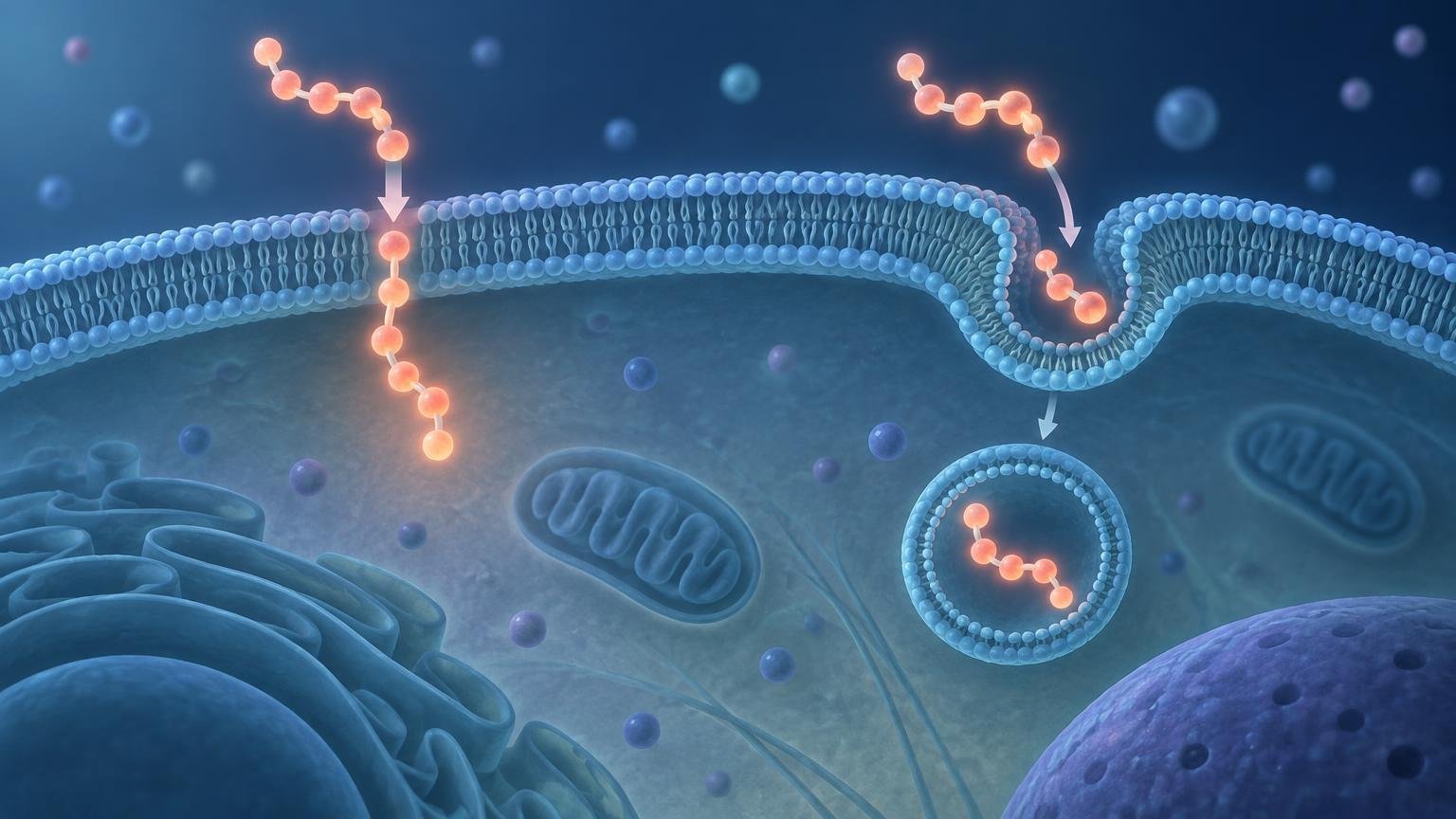
Stylized blue cell membrane showing glowing orange peptide chains entering by direct passage on the left and through an inward-folding vesicle on the right, with simplified organelles inside the cell.

Cell-penetrating peptides may cross the plasma membrane directly, enter through endocytosis, or use both routes. The apparent mechanism depends on the peptide, cargo, concentration, cell system, and assay.
Categories Cell-Penetrating Peptides

From Cell Culture to Animal Models to Human Trials: How Biotechnology Evidence Changes at Each Step

October 9, 2026 by Yao Lin
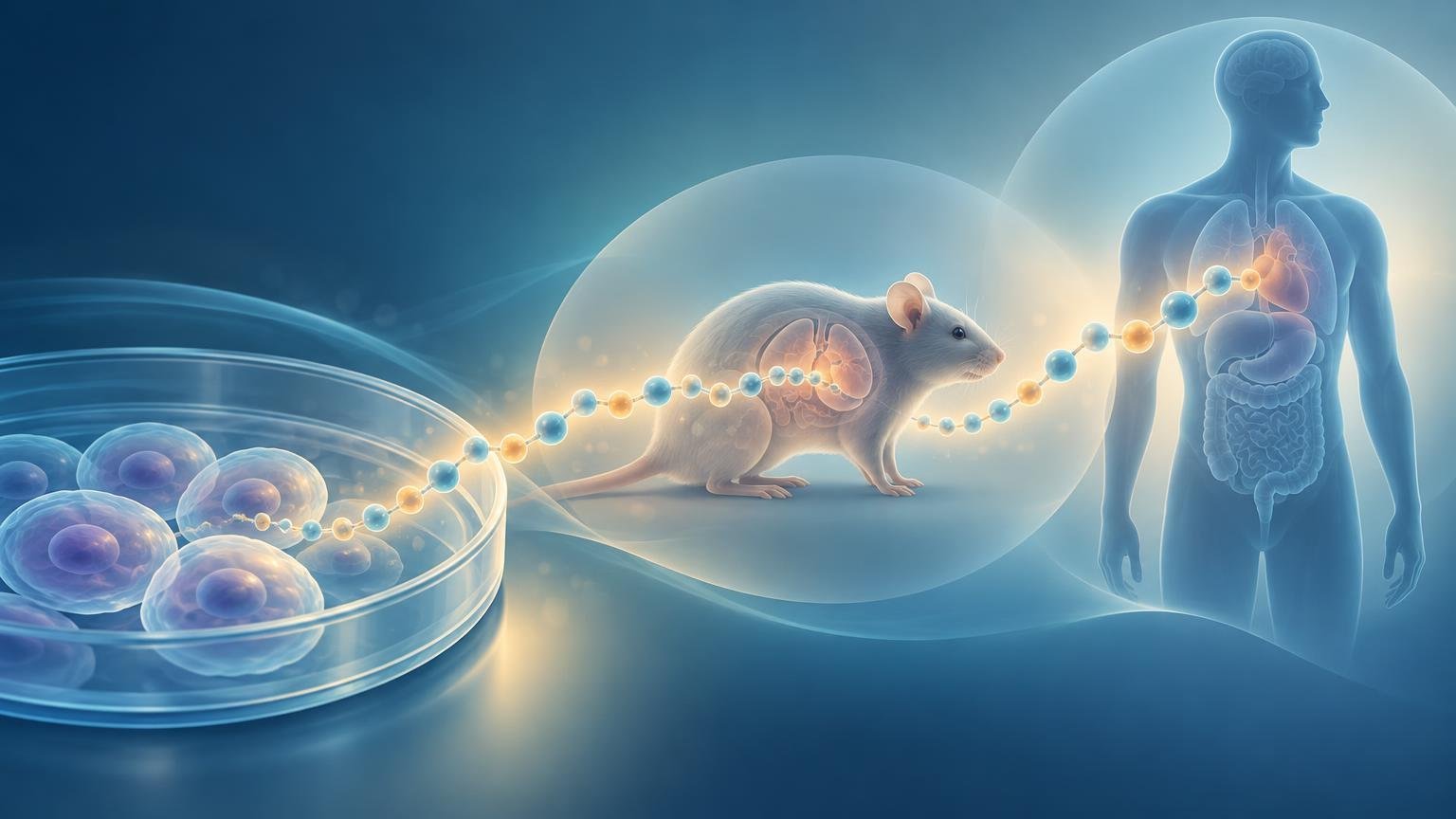
Blue-toned scientific illustration showing cultured cells in a petri dish, a laboratory mouse, and a translucent human figure connected by a glowing chain of colored molecular spheres.

A mechanism-first guide to the biotechnology evidence ladder, from biochemical assays and cultured cells to nonclinical models, human trials, regulatory review, and post-market monitoring.

Categories Biotechnology Research

Constitutive NF-κB Activation in Cancer Models

October 2, 2026 by Yao Lin
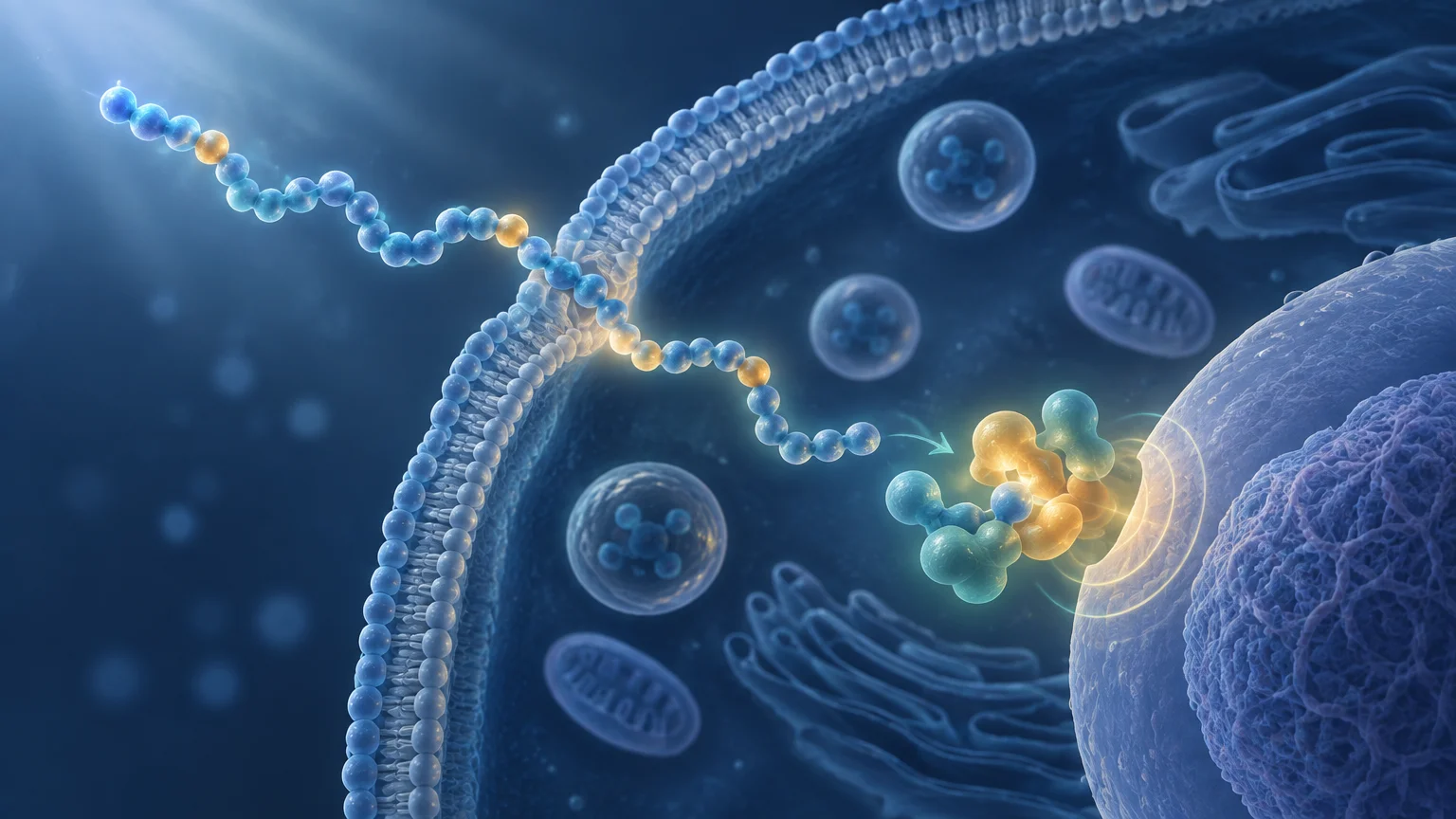
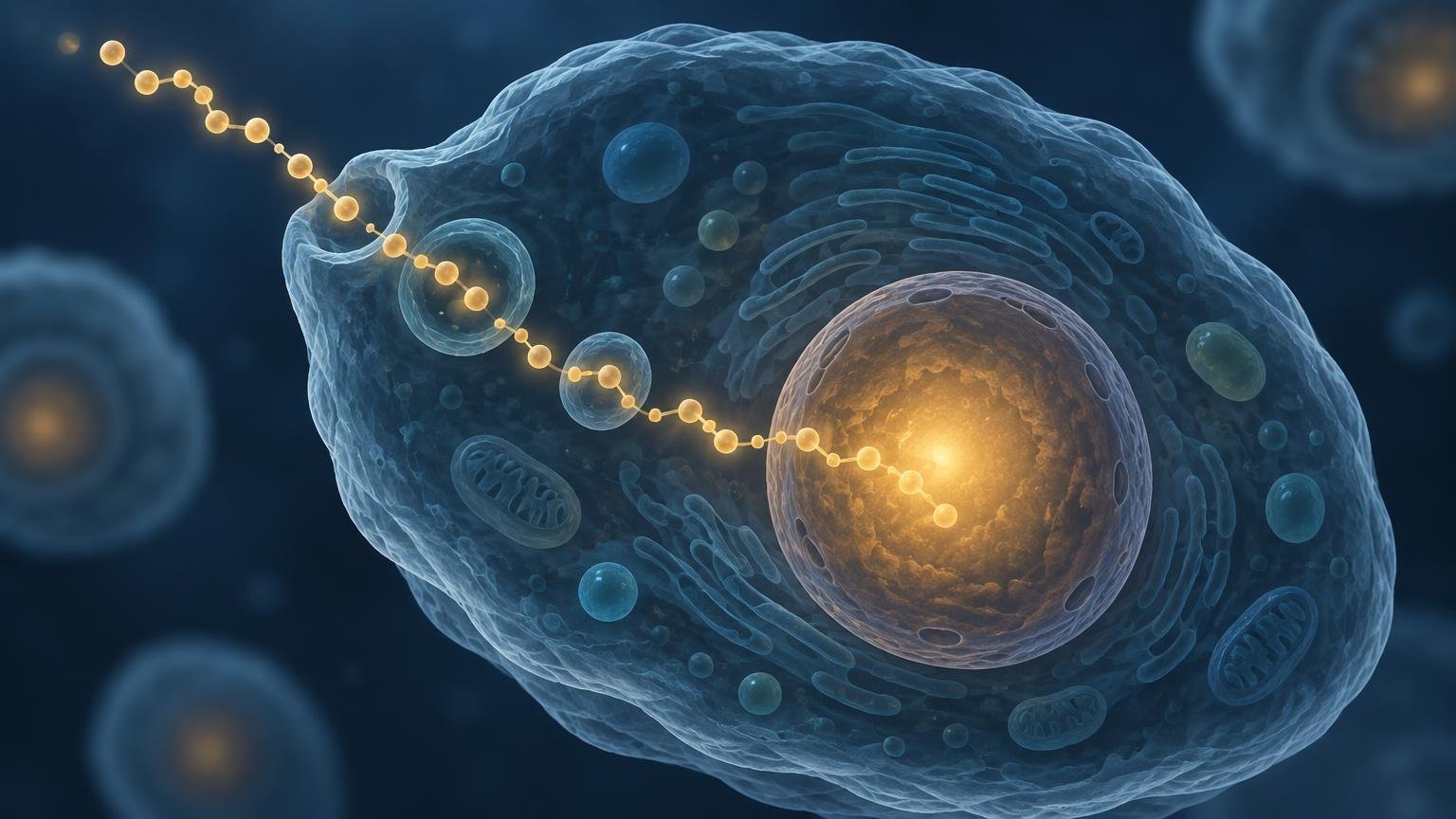
Blue-toned stylized animal cell with visible internal membranes and mitochondria, a large glowing nucleus, and a gold bead-like molecular chain entering from the upper left toward the nucleus.

Constitutive NF-κB activation is an experimental conclusion, not a synonym for one positive assay. This guide explains the evidence needed to demonstrate persistent baseline signaling and pathway dependence in cancer models.

Categories NF-kB Signaling

Cell-Penetrating Peptide–Protein Conjugates: Linkers, Cargo Size, and Functional Readouts

September 28, 2026 by Yao Lin
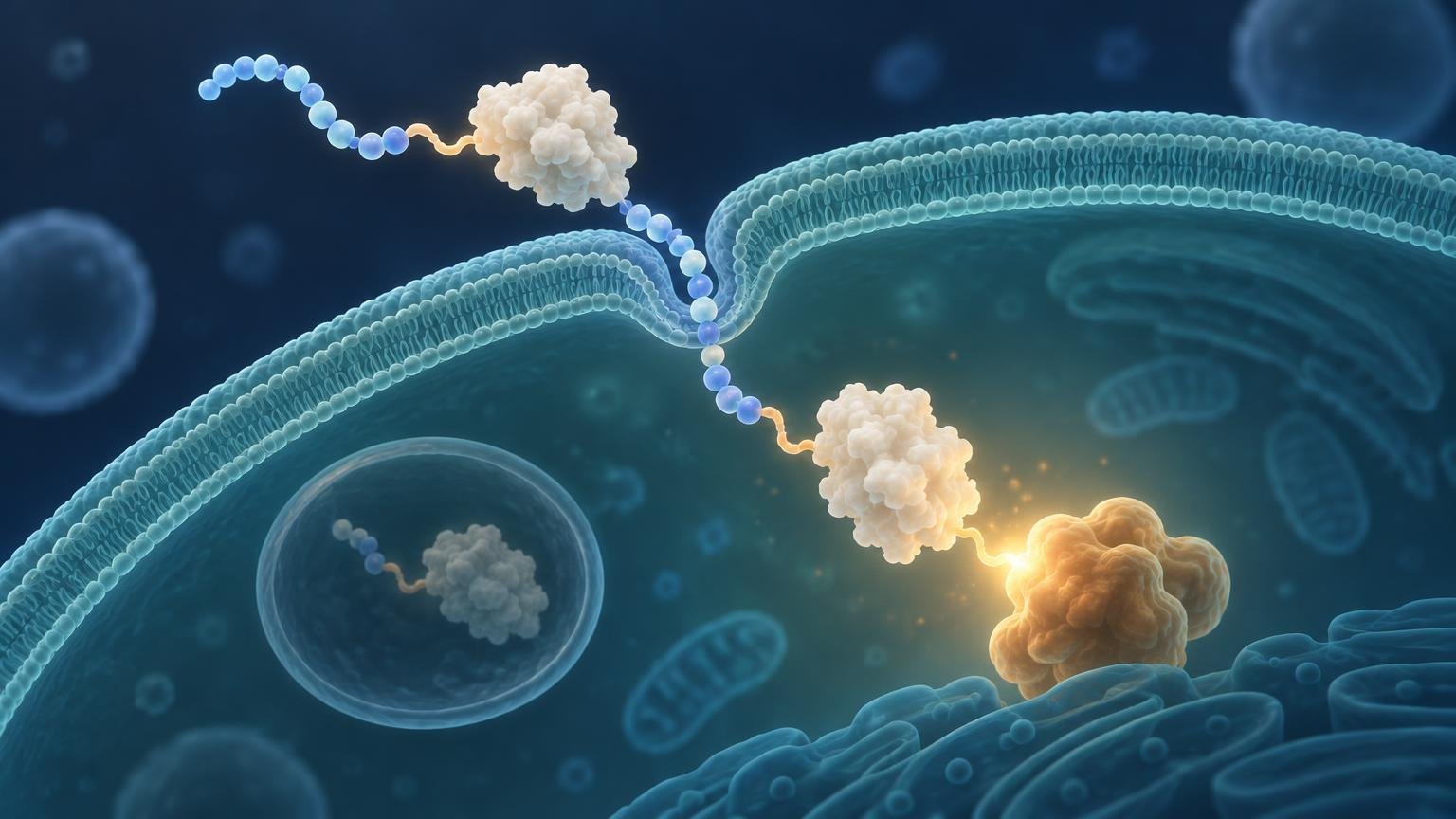
Stylized blue cell membrane with bead-like peptide chains linked to pale protein-shaped cargoes, shown crossing into a cell near a glowing intracellular target and a small vesicle.

A practical guide to CPP–protein architectures, linker selection, cargo-dependent behavior, and the evidence needed to demonstrate functional intracellular delivery.

Categories Intracellular Drug Delivery

How Cargo Size Changes Cell-Penetrating Peptide Delivery

September 25, 2026 by Yao Lin
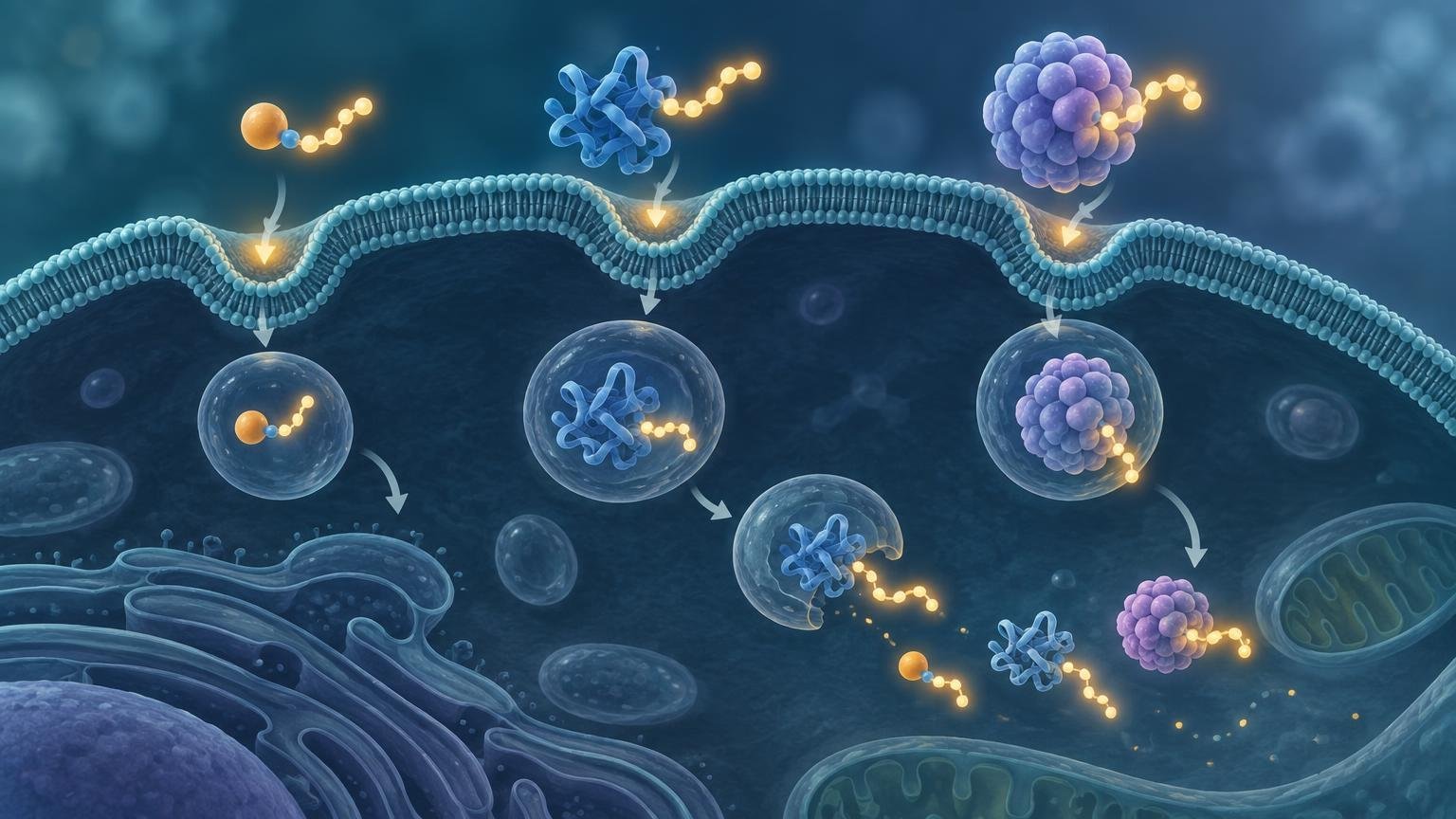
Stylized blue cell interior showing a curved lipid membrane, three differently sized peptide-linked cargo shapes entering in vesicles, and arrows tracing their intracellular release.

Cell-penetrating peptides do not have one universal cargo-size limit. Productive delivery depends on the complete construct, its uptake route, intracellular release, localization, and retained activity.

Categories Intracellular Drug Delivery

Tissue Selectivity vs Cell Penetration: Why They Are Different Problems

September 23, 2026 by Yao Lin
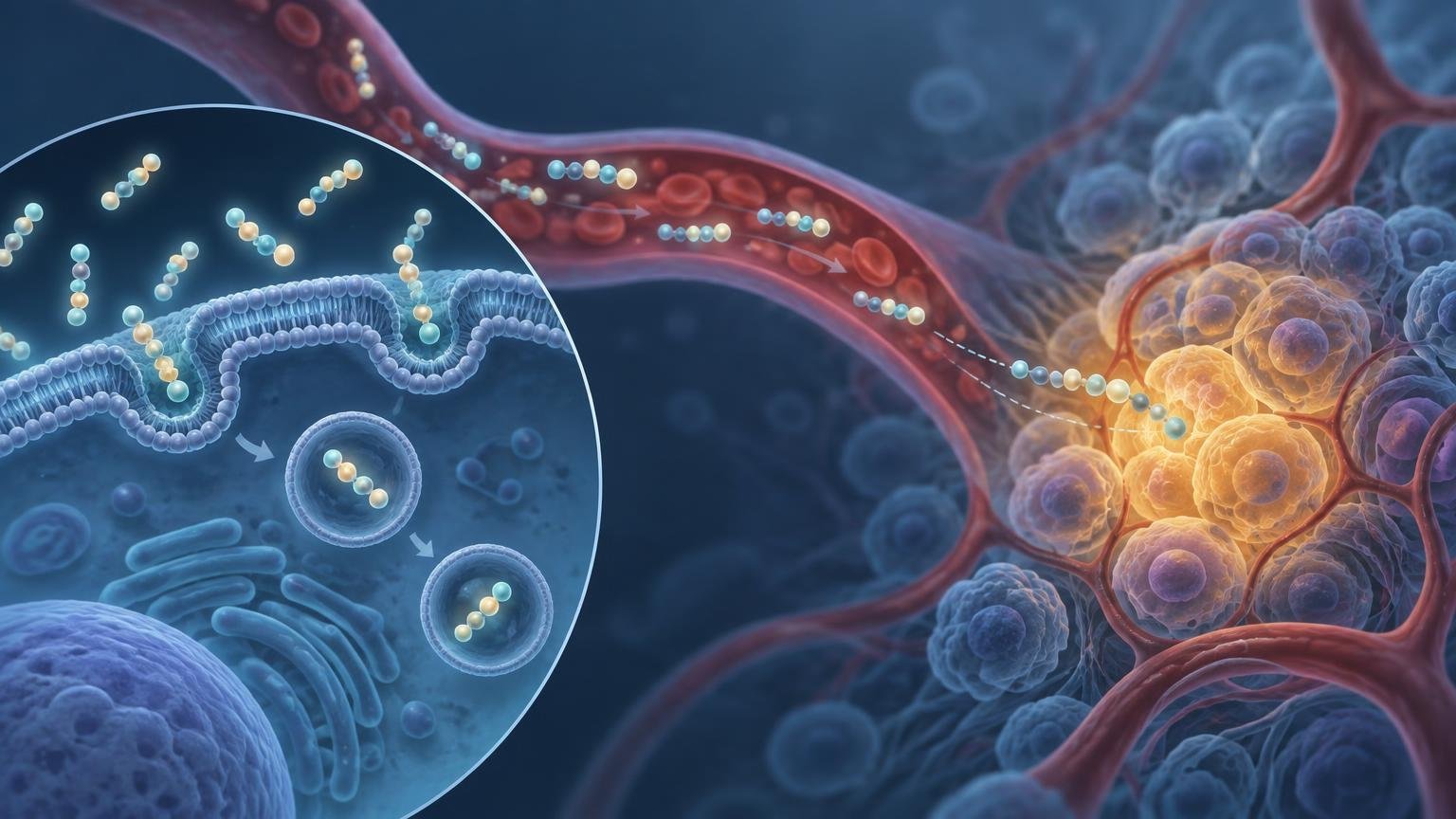
Stylized biomedical illustration showing bead-like peptide chains crossing a cell membrane into vesicles in a circular inset, alongside similar chains traveling through a blood vessel toward a glowing cluster of tissue cells.

A cell-penetrating peptide may enter cultured cells efficiently yet fail to deliver its cargo selectively to a target tissue in vivo. This guide explains the biological distinction and the evidence needed to evaluate selectivity.

Categories Cell-Penetrating Peptides

Cell-Surface Binding vs True Internalization in CPP Experiments

September 18, 2026 by Yao Lin
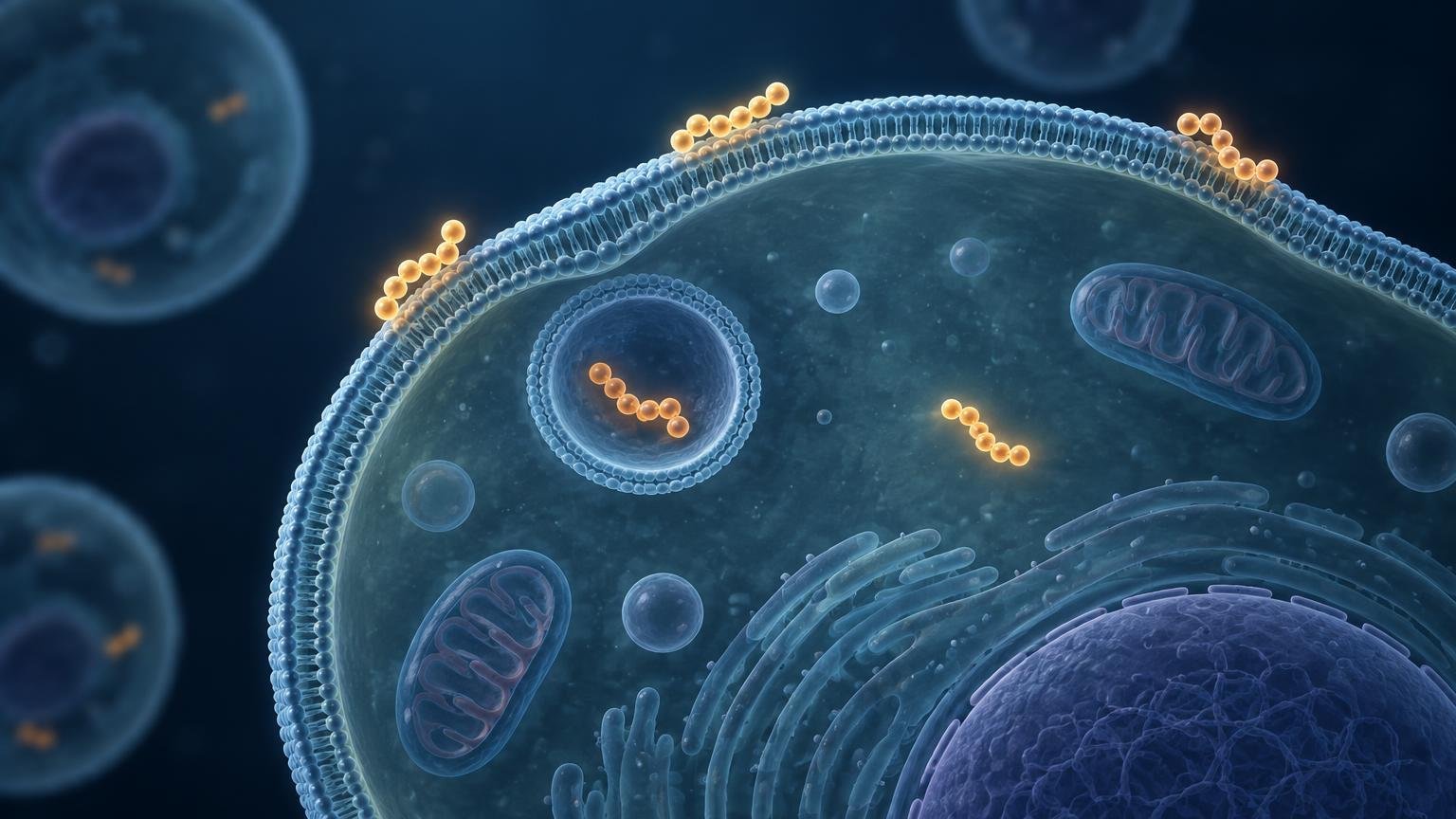
Stylized blue cross-section of a cell with a curved lipid membrane, glowing orange bead-like chains on the surface and inside, a membrane-bound vesicle, mitochondria, and a large purple nucleus.

A methods-focused guide to separating plasma-membrane binding, true CPP internalization, endosomal retention, and cytosolic delivery.

Categories Cell-Penetrating Peptides

CB5005 Explained: Design, NF-κB Targeting, and the Preclinical Research Record

September 16, 2026 by Yao Lin
Blue-toned scientific illustration of a bead-like peptide chain crossing a curved cell membrane toward glowing linked molecular shapes beside a large cell interior, with vesicle-like and organelle-like forms in the background.

A chronological, evidence-led examination of CB5005, from its dual-function sequence and foundational patent to later glioma and lung-cancer delivery studies.

Categories Celtek Research History

TNF-Alpha to NF-kB: A Step-by-Step Signaling Pathway

September 14, 2026 by Yao Lin
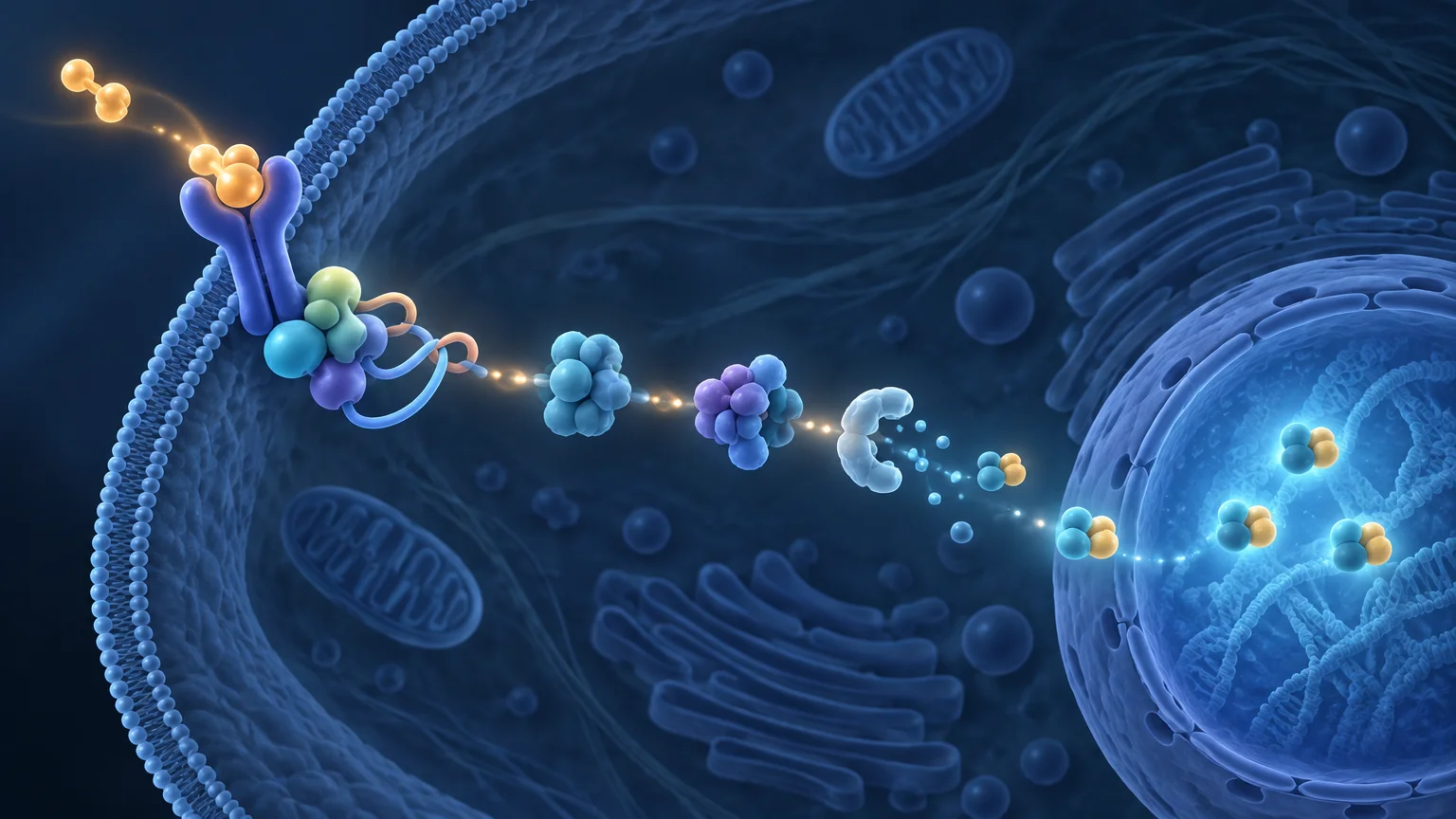
Blue-toned scientific illustration of a cell membrane receptor binding glowing orange molecules, with colorful protein-like clusters tracing a luminous path toward a large nucleus containing stylized DNA.

A mechanism-first explanation of how TNF-α activates canonical NF-κB through TNFR1, ubiquitin-organized signaling, TAK1, IKK, and IκBα degradation.

Categories NF-kB Signaling

NF-κB p50 and p65: How the Classic Heterodimer Works

September 11, 2026 by Yao Lin
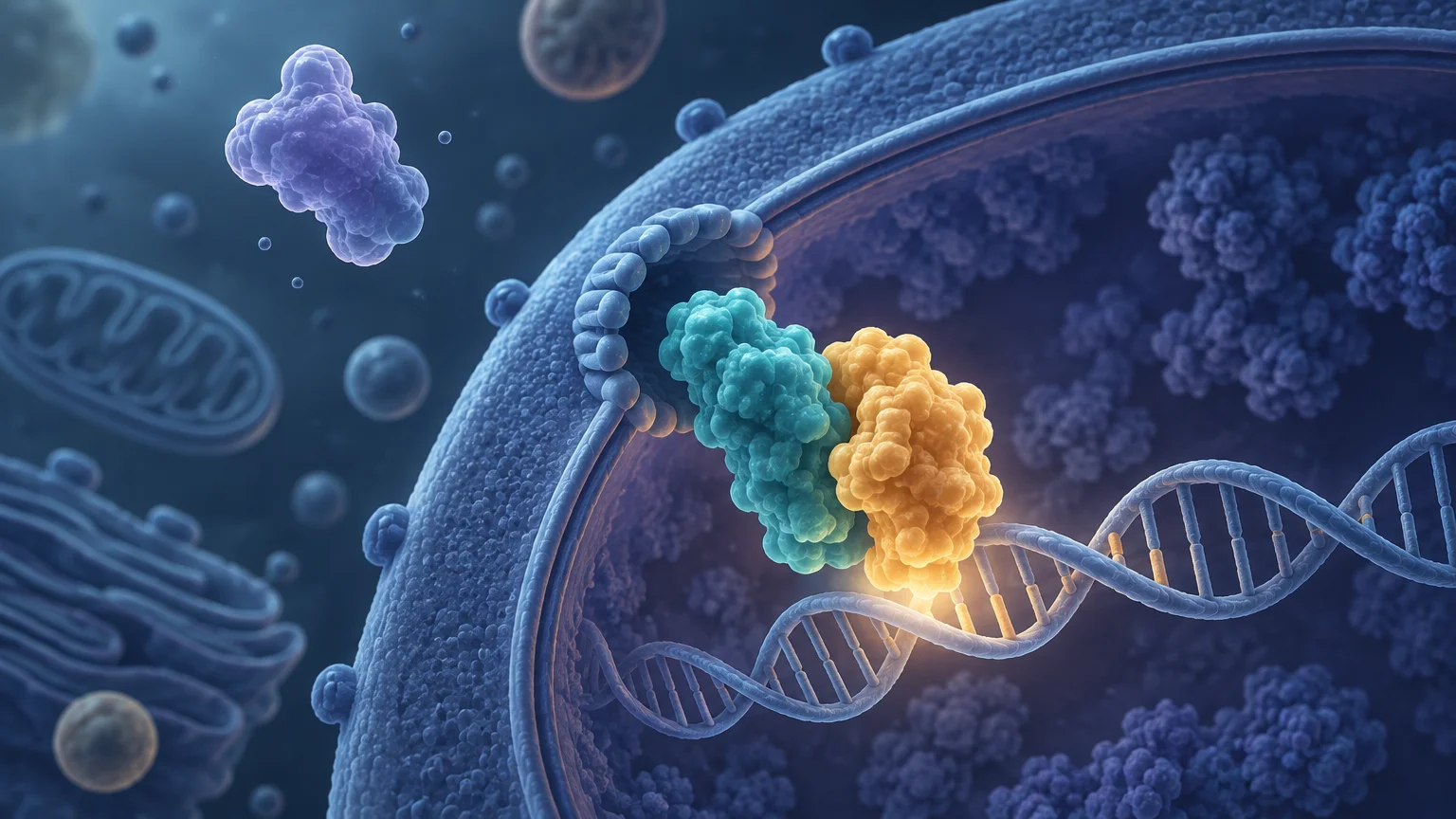
Stylized 3D illustration of two differently colored protein-like structures bound to a glowing DNA double helix near the edge of a cell nucleus, with soft-focus organelles in a blue cellular background.

A mechanism-focused guide to the canonical NF-κB p50/RelA heterodimer, from subunit composition and DNA binding to localization and assay interpretation.

Categories NF-kB Signaling
Older posts
Page1 Page2 Next →
© 2026 celtek-bioscience.com • Built with GeneratePress